
If you've been noticing walls with a soft, chalky finish, subtle movement, and a little more character than your standard painted wall, there's a good chance you're looking at limewash.
This traditional wall finish has been around for centuries, but it's found a new following in modern interiors. And for good reason. Limewash adds depth, texture, and an almost lived-in quality that can make even a simple room feel more considered.
We love materials that bring a little something extra to a space without feeling overdone, and limewash does exactly that. It's a beautiful way to introduce warmth and texture while keeping a palette understated and natural.
But is limewash right for every room? How does it compare to regular paint? And what should you know before committing? We're breaking down the pros, cons, and best places to use limewash paint.
What Is Limewash Paint?
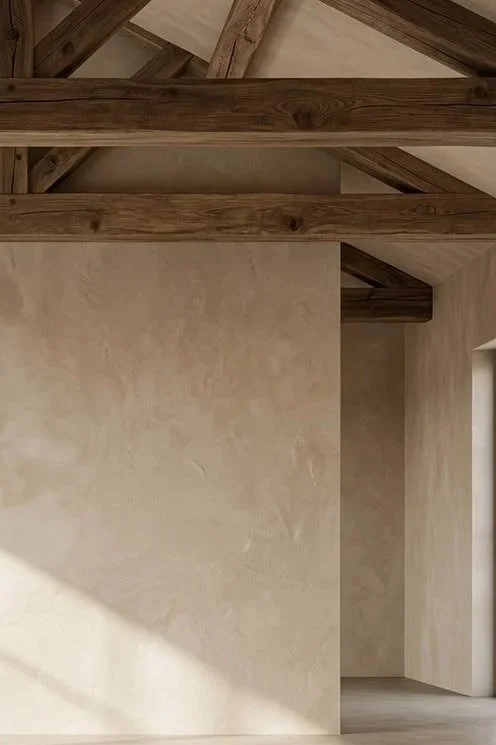
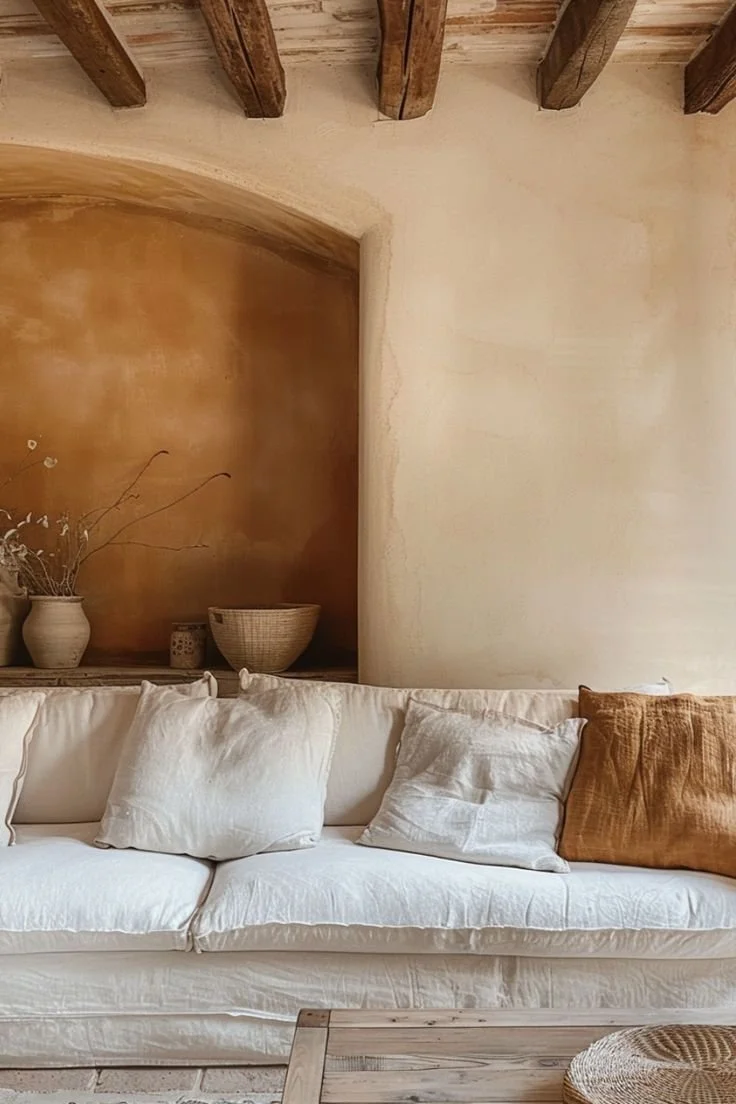
Limewash is a mineral-based wall finish traditionally made from limestone, water, and natural pigments. Unlike conventional latex paint, which creates a more uniform coating over a surface, traditional limewash penetrates suitable porous materials to create a soft, matte finish with natural tonal variation.
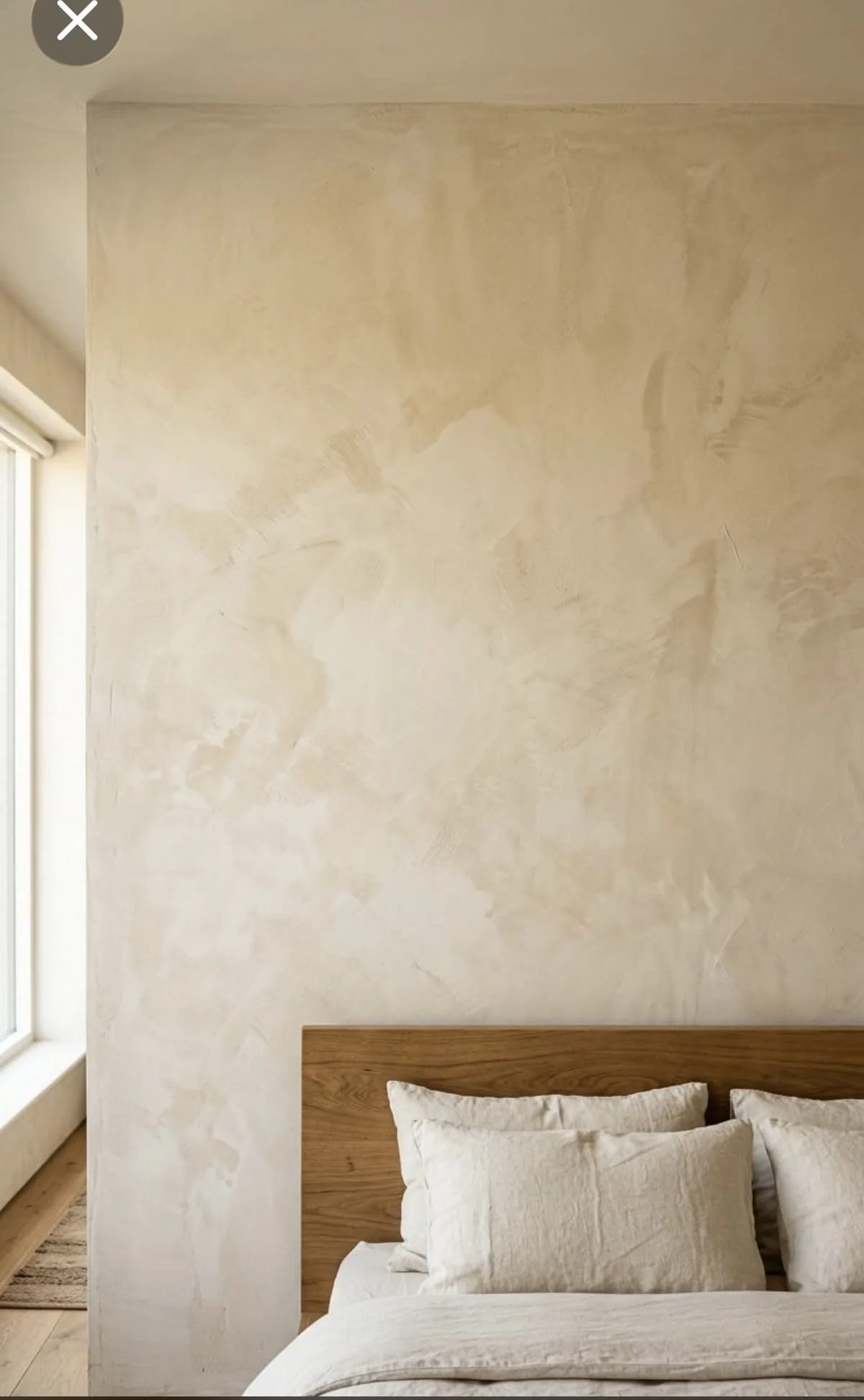
The result is a wall with subtle shifts in color and texture that give a room depth and character. Depending on the shade and application, the finish can feel soft and understated or rich and dramatic.
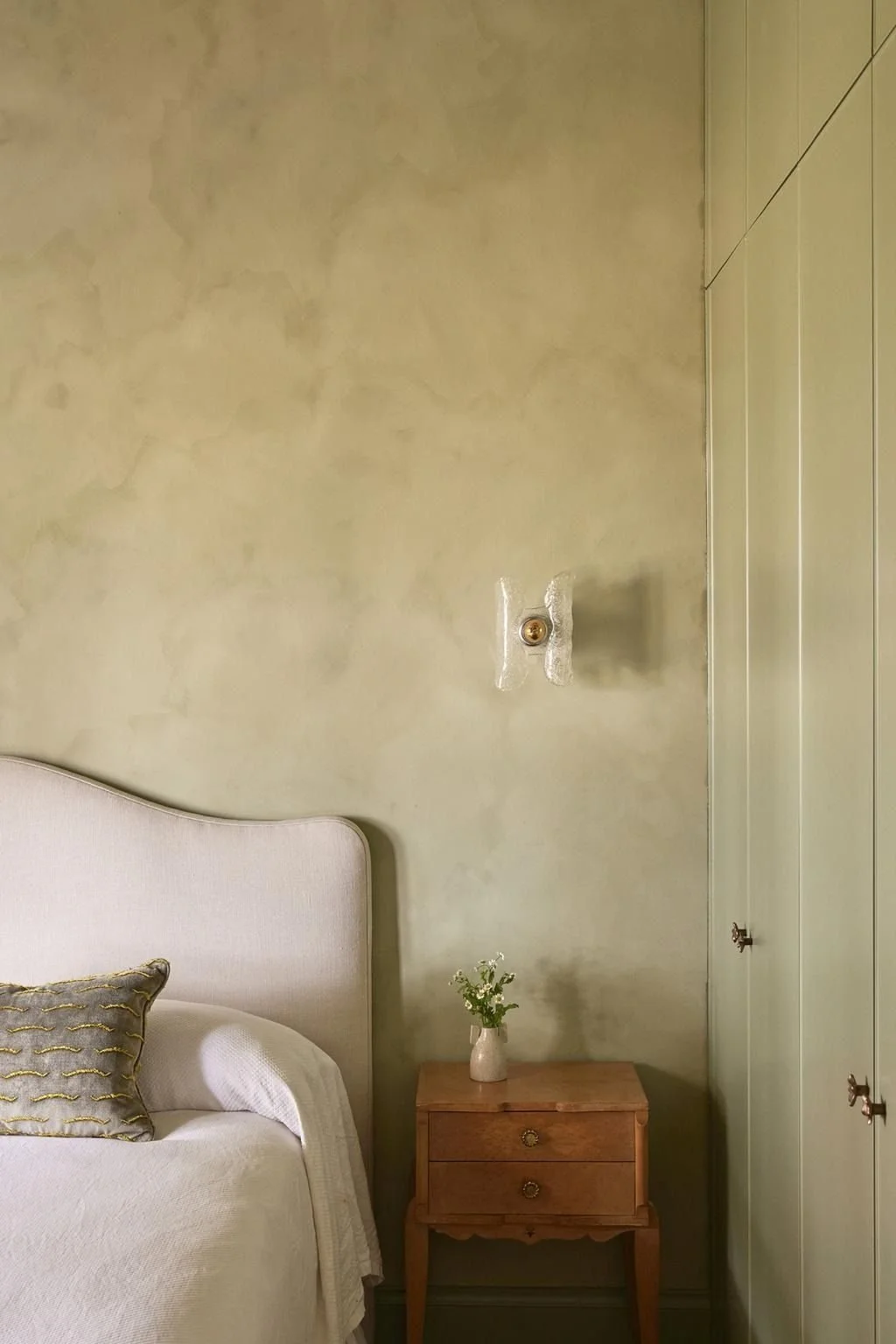
You'll often see limewash in warm whites, sandy neutrals, mushroom tones, muted greens, and earthy browns. It's a beautiful option for adding interest without relying on bold colors or busy patterns.
The Pros of Limewash Paint
1. Adds natural texture and dimension
One of the biggest draws of limewash is the depth it brings to a room. Unlike traditional paint, its subtle tonal variations create movement across the wall, giving the surface a more organic, layered appearance.
2. Creates a soft, matte finish
Limewash has a naturally chalky, understated look that pairs beautifully with natural wood, stone, linen, and other textured materials. It's especially suited to interiors that feel relaxed, warm, and collected.
3. Brings warmth to neutral spaces
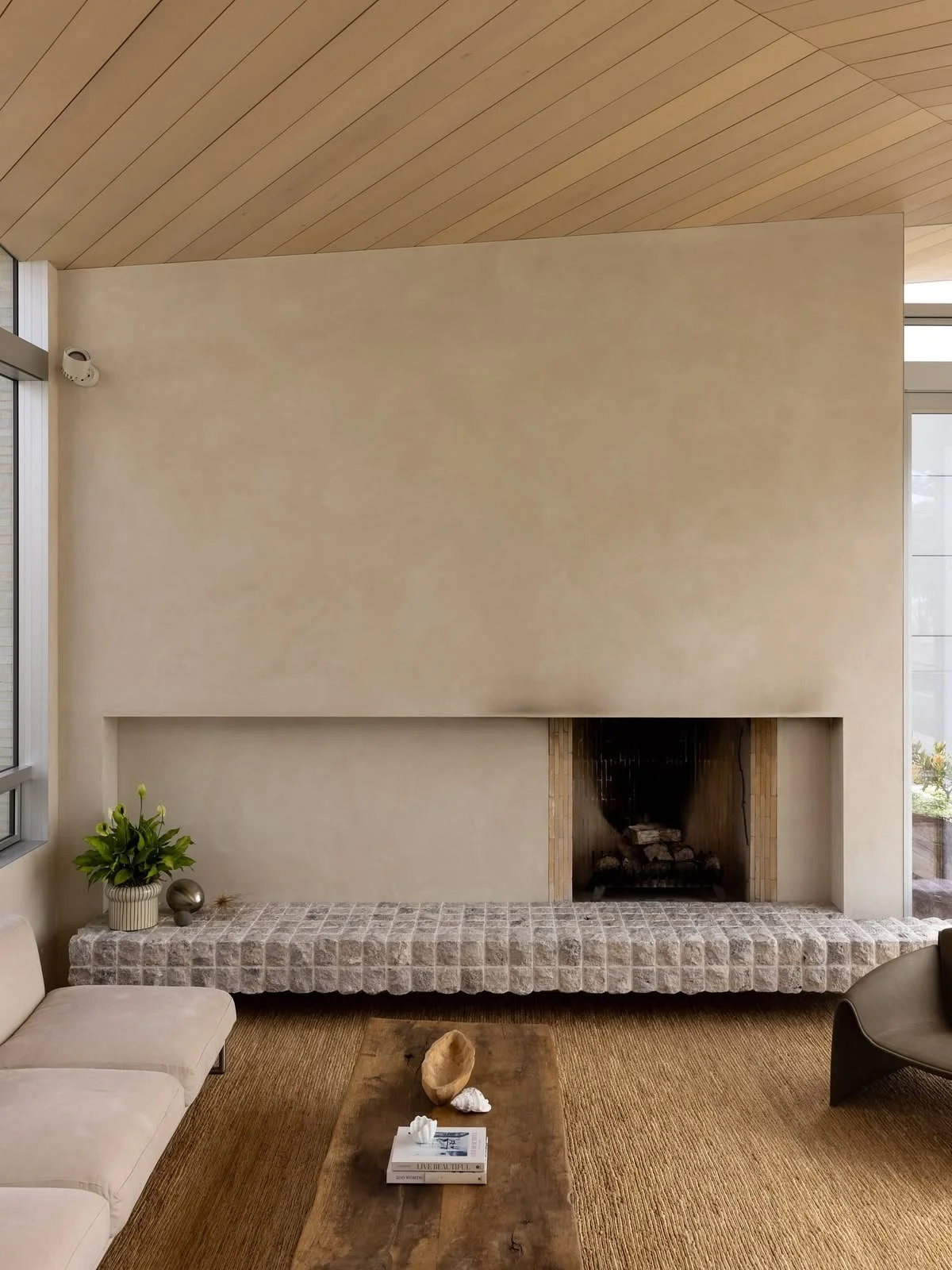
Even the simplest neutral can feel richer with a little variation. Limewash adds dimension to whites, creams, beiges, and taupes, making it a great choice for homeowners who love a neutral palette but want something beyond a standard painted wall.
4. Traditional limewash is breathable
Unlike many conventional paint finishes, traditional limewash is vapor-permeable, allowing moisture vapor to pass through. This makes it particularly well suited to certain masonry and mineral-based surfaces. Keep in mind that breathability varies by product and wall assembly.
The Cons of Limewash Paint
1. It's not as easy to clean
Traditional limewash generally isn't as washable or scrub-resistant as standard interior paint. It can be more susceptible to marks and everyday wear, making it less practical for busy hallways, high-touch areas, or homes with young kids and pets.
2. Application takes more care
Limewash often requires specialized brushes, specific surface preparation, and multiple coats. Application technique also affects the final look, so it's worth working with someone familiar with the product.
3. The finish can be unpredictable
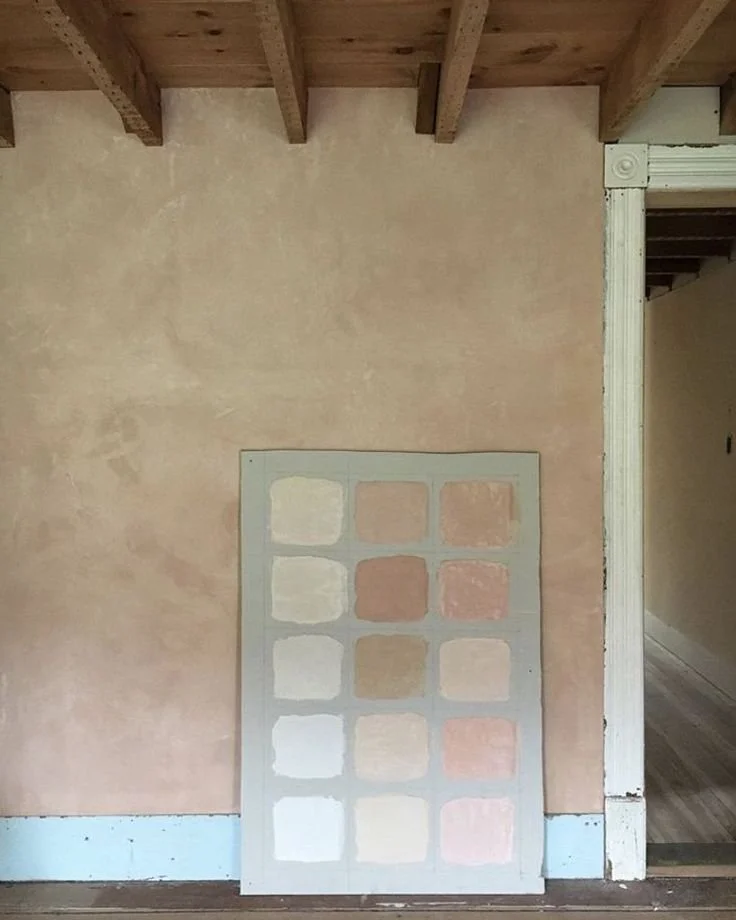
Part of the appeal is its natural variation, but the final result can look different depending on the surface, lighting, color, and application. Always test samples on your actual walls and view them throughout the day before committing.
4. Not every surface is suitable
Traditional limewash works best on porous surfaces like masonry and lime plaster. Standard painted drywall typically requires a compatible primer or specialty preparation. Many modern limewash products are formulated for drywall, so always check the manufacturer's specifications.
How to Incorporate Limewash Without Overdoing It
Like any specialty finish, a little intention goes a long way. A few ways we love seeing limewash incorporated into a home:
Pair it with natural wood. White oak, walnut, and other warm wood tones complement the soft movement beautifully.
Keep the palette tonal. Layer creams, beiges, taupes, and browns for a cohesive look.
Mix in natural stone. Marble, limestone, and other organic finishes create a beautiful balance of texture.
Let the walls be the feature. You don't need a lot of additional pattern or decoration when the walls already have character.
Pay attention to lighting. Natural light brings out tonal variations, while warm lighting can make earthy shades feel even richer.
Is Limewash Paint Worth It?
We think limewash is worth considering if you're looking for a finish that brings warmth, depth, and natural character to your home.
It's not the most practical option for every room, and it requires a little more thought when it comes to application and maintenance. But in the right space, it can completely change how a room feels.
Our advice? Think about your overall material palette first. Consider the flooring, cabinetry, stone, lighting, and furnishings before choosing a wall finish. The best interiors feel cohesive because every element has a reason for being there.
Thinking About Your Next Home Project?
From material selections and custom millwork to full-scale renovations and ground-up builds, our team brings interior design and construction together under one roof.
We love helping homeowners create spaces that feel personal, functional, and a little outside the ordinary.
Dream it. Build it. Explore our design and build services and let's get the conversation started.